Real environments as the foundation for Physical AI
Robotics models become more robust when connected not only with synthetic simulations, but with real environments, real geometries and real operating conditions. We work to make digital twins, 3D capture and sim-to-real processes usable for industry and humanoid robotics.
Artificial intelligence that acts, not just computes
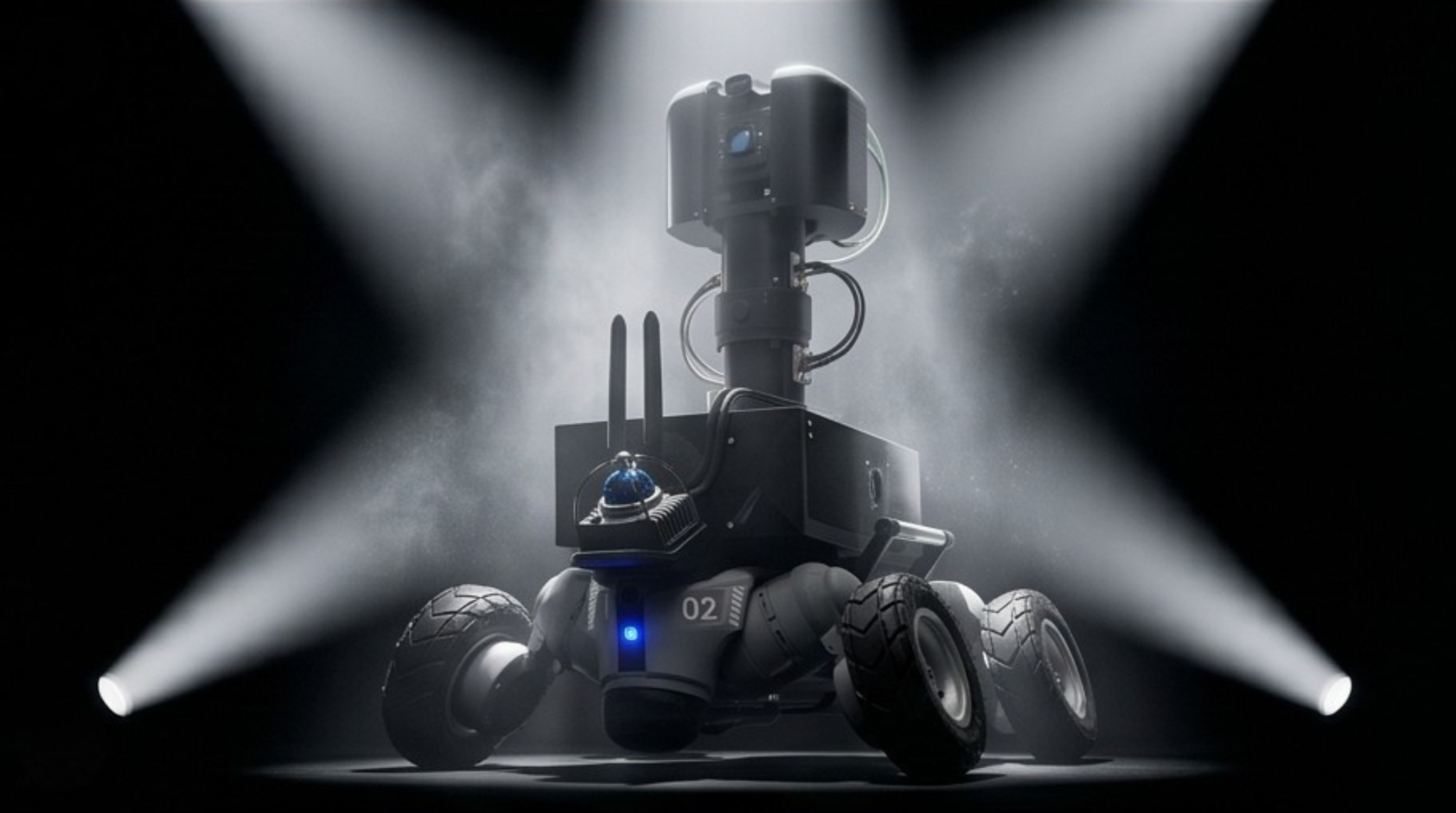
Physical AI refers to artificial intelligence that acts in the physical world — via robots, sensors and actuators. Unlike a pure language or image model, it has to deal with real physics, uncertainty and changing environments. This is precisely why Physical AI needs real reference systems: digital twins, 3D capture, sensor data and real test environments to transfer capabilities from simulation into practical operation.
Closing the sim-to-real gap
In simulation, robots can be trained quickly, cheaply and safely. But what works reliably in the model often fails in reality due to friction, sensor noise, tolerances and unexpected situations. This gap between simulation and reality is called the sim-to-real gap.
We narrow this gap by anchoring simulations with real data: measured geometries, genuine operating conditions and the complexity of actual production environments. This way, what is learned transfers more reliably into operation.
Simulate
Behaviour and processes are designed and tested virtually.
Anchor with real data
3D capture and sensor data bring real geometry and physics into the model.
Test in reality
Testing in real test and training environments under genuine conditions.
Move into operation
Validated capabilities go into productive, controllable use.
How we connect simulation and reality
Digital twins
Fully independently programmable replicas of systems, for offline programming and real-time production data capture.
3D capture & point clouds
High-resolution 3D surveying of real environments and components for measurement, quality inspection and modelling.
Robot navigation
Environment perception and localisation so systems move safely and traceably in real space.
BIM integration
Seamless integration into Building Information Modeling processes: robotics and the building model speak the same language.
Real-time production data
Continuous real-time data capture as the basis for transparent, adaptive manufacturing processes.
Sensor data fusion
Combining different sensor sources into a robust picture of the real environment.
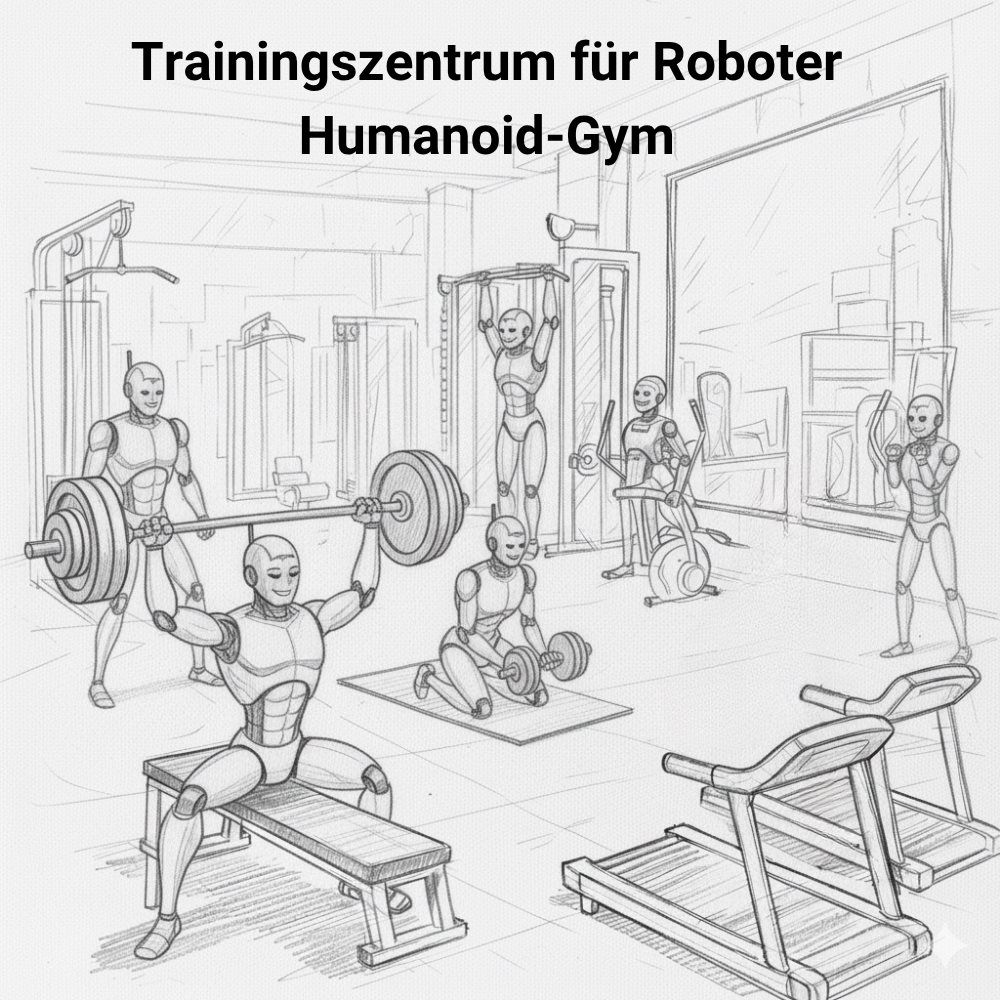 “Humanoid Gym” concept: a real training and test environment
Where humanoids can learn under genuine conditions
With the “Humanoid Gym” concept, we are planning real test environments for humanoid systems. There, movements, gripping tasks and sequences are to be tested under genuine physical conditions. Digital twins complement this environment and are intended to make trials reproducible, analysable and specifically optimisable.
This creates a cycle of simulating, anchoring, testing and improving that accelerates the transfer into operation and reveals risks early.
Real industrial complexity is a competitive advantage
While global models compete for the largest volumes of data, a particular strength of Europe lies in its real industrial complexity: demanding manufacturing, high quality requirements and a dense landscape of mechanical engineering and production. It is precisely this reality that provides the valuable reference data that makes Physical AI robust.
Maucher works on connecting these worlds: industrial manufacturing practice, robotics system integration and real application experience. This results in robotics solutions that are not only technically designed, but conceived under real production conditions.
Physical AI & Sim-to-Real explained
Bring your robotics into reality
Are you working on robotics that needs to make the leap from simulation into operation? Let's talk about digital twins, real data and test environments.