
How service robots cushion and solve the "Big Five Pain Points" of hospitality
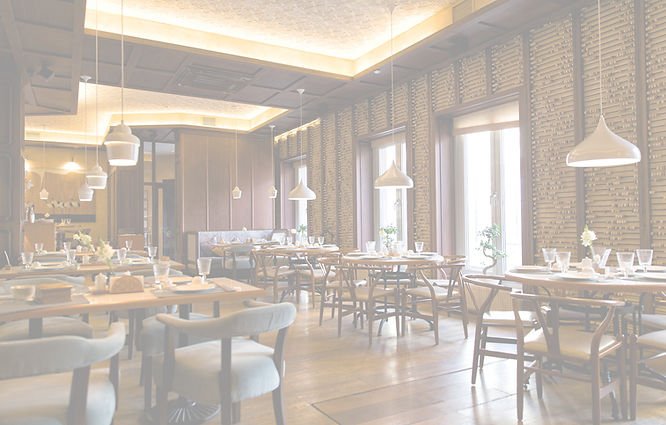
A large proportion of restaurateurs in Germany face considerable challenges.
These five solutions show how service robots can cushion and solve these problems:
1. Staff shortages
Problem: The most serious pain point is the shortage of qualified staff. Many restaurants struggle to find enough employees, which leads to an overload of the existing team (Gastprodo).
Solution: Service robots take orders, greet guests and escort them to their table, make recommendations, handle the walking routes, carry loads and collect dishes. This boosts efficiency and relieves the human staff, so that they can spend more time with guests and look after additional guests, which increases revenue.
2. High staff costs
Problem: Rising salaries and ancillary wage costs place a heavy financial burden on hospitality businesses (CHEFS CULINAR).
Solution: Robots reduce costs by taking on tasks that human staff would otherwise have to perform.
3. Rising operating costs
Problem: The return to the higher VAT rate of 19% and rising food prices significantly increase operating costs.
Solution: Robots improve efficiency and thereby reduce costs by taking over walking routes and working reliably. In addition, the precise recording of operating times and distances enables better resource planning. Through data analysis, routes and workflows can be optimised, which contributes to further process optimisation.
4. Efficiency and speed
Problem: At peak times, bottlenecks in service can occur, which negatively affects customer satisfaction (Jahreszeiten Verlag GmbH).
Solution: Robots work continuously and deliver orders quickly and accurately.
5. Adapting to new trends and flexibility
Problem: Many restaurants have to adapt their concepts and offerings flexibly to changing market conditions (Falstaff - Wine, Food & Travel).
Solution: Robots are deployed flexibly to implement new service concepts quickly. They know the menu down to the last detail. They can provide information on every conceivable individual ingredient, calories and any other questions. Beyond that, they know the history of the restaurant and any other details the restaurateur wishes to make available. The bond with the hospitality business is strengthened, and alongside the good food the visit becomes a real experience for the guest.
Conclusion
Service robots offer numerous benefits that address many of the current challenges in hospitality. They not only help to cope with staff shortages and reduce costs, but also improve efficiency and customer satisfaction and adapt flexibly to new trends. What many restaurateurs have not yet realised is that service robots, especially in hospitality, can be deployed profitably immediately after installation.